
 EN
EN  ES
ES  FR
FR  DE
DE  RU
RU  ZH
ZH  AR
AR  RO
RO  BG
BG 
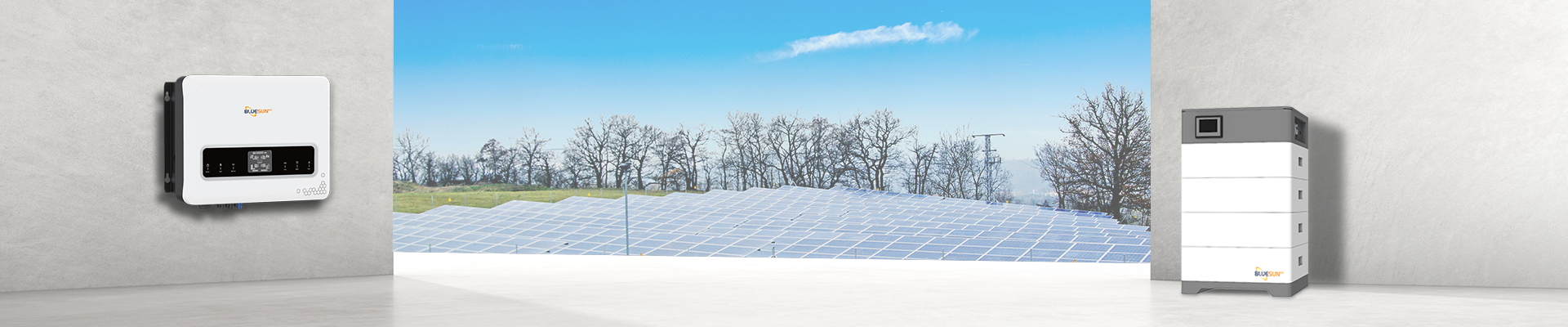
A grid-connected solar power plant in Bulgaria has been upgraded with approximately 1MWh of battery energy storage, allowing the project to respond more effectively to changing electricity prices and periods of peak demand.
The original photovoltaic system was installed in 2023 and uses ten 100kW grid-connected inverters, giving the plant a total inverter capacity of 1MW. In 2026, four 125kW/261kWh liquid-cooled battery cabinets were added, providing a combined storage configuration of 500kW/1.044MWh.
By combining the existing solar plant with intelligent battery storage, the project can store energy when conditions are favorable and discharge it when electricity has greater economic value.
Project at a Glance
- Location: Bulgaria
- Original installation: 2023
- Solar inverter capacity: 1MW
- Solar configuration: 10 × 100kW grid-connected inverters
- Storage expansion: 2026
- BESS configuration: 4 × 125kW/261kWh liquid-cooled battery cabinets
- Total BESS capacity: 500kW/1.044MWh
- Main applications: Dynamic electricity pricing and peak shaving
Watch the Bulgaria Solar and Battery Storage Project
The video below shows the operating solar plant and introduces how the newly added battery system supports a more flexible energy strategy.
Why Add Battery Storage to an Existing Solar Plant?
A grid-connected solar plant normally produces most of its electricity during the daytime. However, the market value of that electricity can change significantly throughout the day.
When solar production is high and electricity prices are relatively low, sending all available power directly to the grid may not provide the best financial result. Adding battery storage gives the project another option: part of the solar energy can be stored and used or exported later.
This makes the solar plant more flexible. Instead of relying only on real-time photovoltaic generation, the operator can manage when energy is delivered according to price signals, load demand and the battery state of charge.
Responding to Dynamic Electricity Prices
Dynamic electricity pricing means that the value of electricity changes at different times rather than remaining fixed throughout the day.
With an energy management system, the battery can be scheduled to:
- Charge during lower-price periods
- Store available solar energy instead of exporting it immediately
- Discharge when electricity prices rise
- Reduce grid consumption during expensive periods
- Maintain an energy reserve for later use
The exact charging and discharging strategy depends on local market rules, electricity tariffs, solar output and operating requirements. The battery does not create additional solar energy, but it allows the existing energy to be used at a more suitable time.
Using the BESS for Peak Shaving
The battery system can also help reduce short periods of high grid demand.
When the site’s power demand approaches a preset limit, the BESS can discharge to supply part of the load. This reduces the amount of power drawn from the grid and smooths the facility’s demand profile.
For businesses affected by peak demand charges or limited grid capacity, this operating mode can provide practical financial and operational benefits.
Learn more about how battery storage can reduce demand charges and peak electricity use.
Why Liquid-Cooled Battery Cabinets Were Selected
The project uses four modular liquid-cooled battery cabinets, each rated at 125kW/261kWh.
Liquid cooling helps maintain a more even operating temperature across the battery cells. This is particularly useful for commercial projects that charge and discharge regularly and need stable performance over long operating periods.
The cabinet-based design also provides flexibility during project expansion. Instead of replacing the existing solar system, the storage equipment can be added as a separate system and coordinated with the photovoltaic plant through intelligent controls.
Key advantages of the configuration include:
- Modular installation and expansion
- More consistent battery temperature control
- Outdoor commercial and industrial deployment
- Integrated battery management and system monitoring
- Support for scheduled charging and discharging
- Suitable capacity for energy shifting and peak shaving
Explore the related 125kW/261kWh liquid-cooled energy storage system.
Expanding an Existing 1MW Solar Project
This project also shows how battery storage can be added to an existing grid-connected photovoltaic plant.
The ten 100kW inverters installed in 2023 continue to support solar generation, while the new BESS adds energy storage and dispatch capability. This allows the owner to improve the operating strategy without rebuilding the original photovoltaic system.
For many existing commercial solar plants, storage expansion can be considered when:
- Electricity prices vary significantly during the day
- Solar exports have limited value during high-production periods
- The site experiences expensive demand peaks
- Grid connection capacity is limited
- The owner wants more control over when solar energy is used
The correct battery size should be based on the solar production curve, facility load, electricity price profile and intended operating strategy. Read our commercial BESS sizing guide for a practical explanation of PCS power and battery capacity.
Smart Monitoring Supports Better Energy Decisions
Hardware alone does not determine the value of a storage project. The monitoring and energy management strategy are equally important.
By tracking solar production, grid power, facility demand, electricity prices and battery state of charge, the control system can decide when the battery should charge, remain on standby or discharge.
This helps the project operator understand:
- How much solar energy is being stored
- When the battery is creating the most value
- How much peak demand is being reduced
- Whether the charging schedule should be adjusted
- How the system performs over different seasons
A well-planned operating strategy allows the same battery system to support more than one objective, including energy shifting, peak shaving and better use of solar generation.
From Solar Generation to Flexible Energy Management
The Bulgaria project is no longer only a grid-connected photovoltaic installation. With the addition of 500kW/1.044MWh of liquid-cooled battery storage, it can now manage when part of its energy is delivered.
This flexibility is increasingly important in markets where electricity prices change throughout the day. Rather than exporting all solar power at the moment it is generated, the project can store energy and release it when conditions are more favorable.
The result is a more controllable solar-plus-storage system designed around real operating conditions: dynamic pricing, peak demand and the need to make better use of renewable energy.
View more commercial and industrial battery energy storage solutions for solar-plus-storage, peak shaving and energy management projects.