Learn the five most important factors to consider when choosing high-efficiency solar panels, including efficiency, panel type, durability, and long-term savings.
06/ 2025.2 月
As solar energy adoption continues to grow worldwide, more homeowners and businesses are focusing on high-efficiency solar panels to maximize energy production and long-term savings.However, choosing the right solar panel is not only about selecting the highest wattage. Factors such as panel efficiency, temperature performance, durability, and installation conditions all play important roles in overall system performance.Understanding these key factors can help you choose the most suitable photovoltaic system for your energy needs.
Why High-Efficiency Solar Panels Matter
High-efficiency solar panels generate more electricity in limited installation space while improving long-term energy savings and system performance.
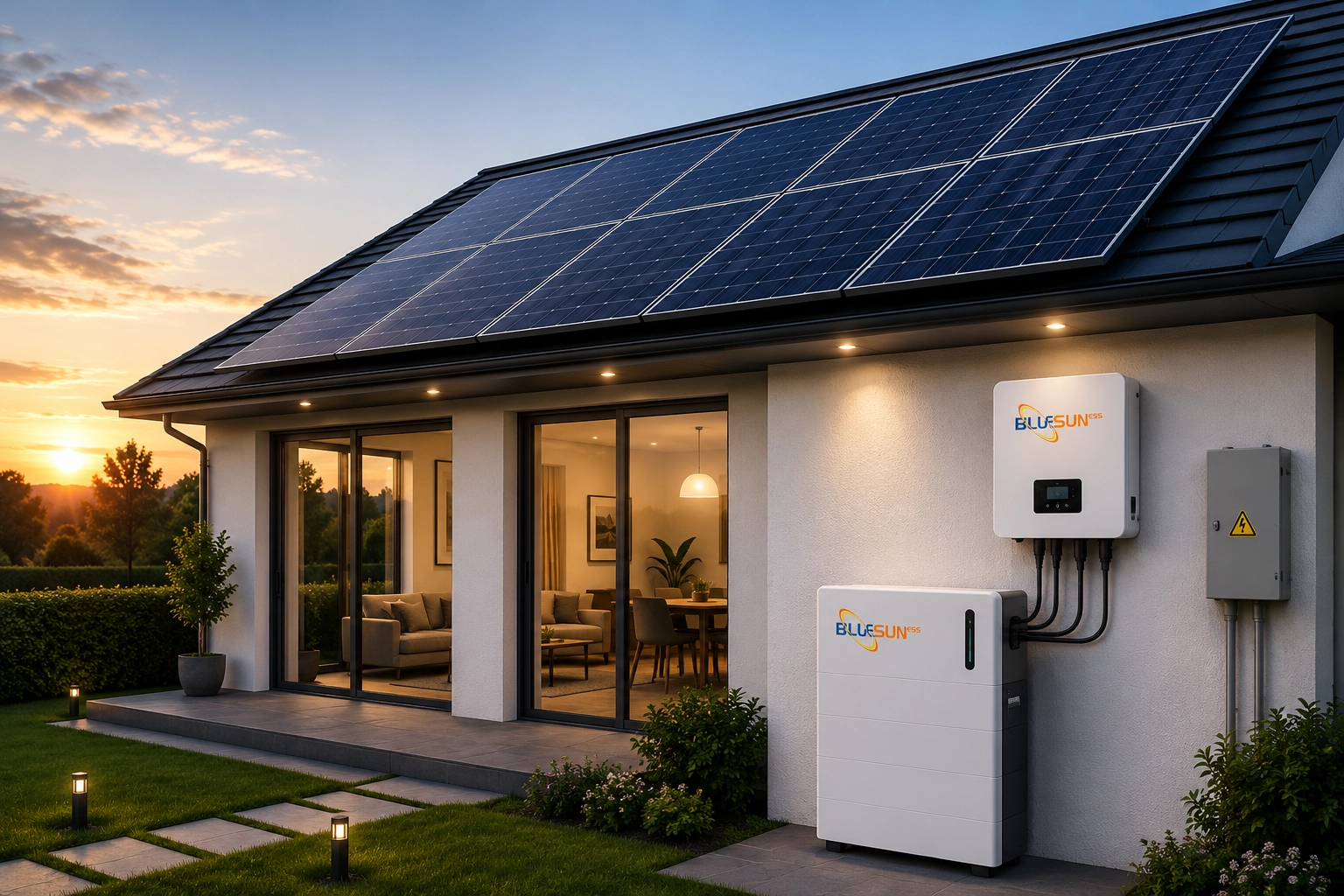
High-efficiency solar panels help maximize energy generation for residential and commercial solar systems.
1.面板效率(轉換效率)
Solar panel efficiency refers to how much sunlight the panel can convert into usable electricity.
Most modern high-efficiency solar panels operate between 18% and 23% efficiency, while premium technologies may achieve even higher performance under optimized conditions.
Higher efficiency means more electricity generation within the same installation area, making these panels especially suitable for rooftops with limited space.
Tip: Higher-efficiency panels can generate more power per square meter, helping reduce installation space requirements.
2.面板類型:單晶矽對多晶矽
One of the most important decisions when selecting solar panels is choosing between monocrystalline and polycrystalline technologies.
Monocrystalline solar panels generally provide higher efficiency, better low-light performance, and improved long-term output stability. Polycrystalline panels are usually more affordable but offer slightly lower efficiency.
Panel Type
Efficiency Range
Main Advantage
Monocrystalline
20%–23%
Higher efficiency and better performance
Polycrystalline
15%–17%
Lower upfront cost
For users seeking maximum energy production and better long-term value, monocrystalline solar panels are often the preferred choice.
3.溫度係數
Solar panels naturally lose some efficiency as operating temperature increases. The temperature coefficient measures how much performance decreases under high-temperature conditions.
Panels with a lower temperature coefficient maintain more stable output in hot climates, making them especially important for regions with strong sunlight and high summer temperatures.
High-performance panels with advanced cell technologies often provide better thermal stability and improved energy generation throughout the year.
Tip: Lower temperature coefficient values help maintain higher efficiency in hot weather conditions.
4.耐用性與保固
Solar panels are long-term investments that are expected to operate for decades under outdoor conditions. Durability and product reliability are therefore critical factors when choosing a photovoltaic system.
Most high-quality solar panels include performance warranties of around 25 years. Reliable manufacturers also use advanced glass, frame structures, and encapsulation materials to improve resistance against wind, snow, humidity, and corrosion.
Choosing durable components helps maintain stable long-term system performance while reducing maintenance risks.
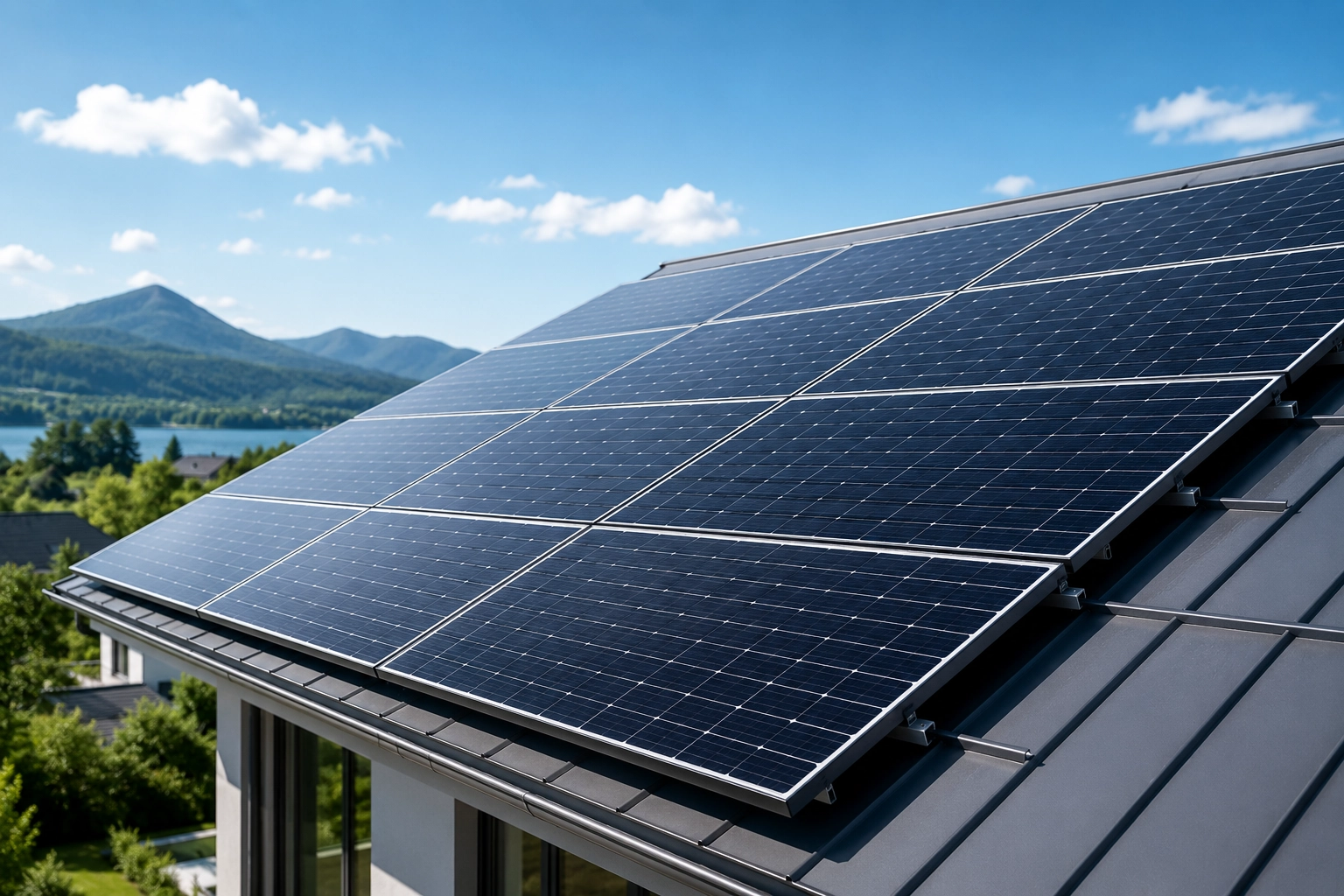
High-quality photovoltaic modules are designed for long-term durability and stable energy production.
5.成本與長期節省
High-efficiency solar panels may require a higher initial investment, but they often provide greater long-term financial benefits through increased electricity production and lower energy costs.
For projects with limited roof space or high electricity demand, investing in more efficient panels can improve long-term return on investment and shorten system payback time.
When evaluating solar panel pricing, it is important to consider total lifetime energy generation rather than focusing only on upfront purchase cost.
How to Choose the Right Solar Panel for Your Needs
The best solar panel depends on several factors, including available installation space, local climate, electricity consumption, and project budget.
For homeowners seeking higher efficiency and better long-term performance, monocrystalline solar panels combined with reliable energy storage systems are often the most balanced solution.
Commercial and industrial projects may also prioritize panel efficiency to maximize energy generation and optimize installation area usage.
Explore High-Efficiency Solar Solutions
Bluesun provides advanced photovoltaic modules and integrated solar energy solutions for residential, commercial, and industrial applications worldwide.
Explore Solar Panel Solutions
Making a Smarter Solar Investment
Choosing high-efficiency solar panels is not only about improving electricity generation — it is also about maximizing long-term reliability, energy savings, and system performance.
By understanding key factors such as efficiency, temperature performance, durability, and long-term value, homeowners and businesses can make more informed decisions when investing in solar energy systems.


 ZH
ZH  EN
EN  ES
ES  FR
FR  DE
DE  RU
RU  AR
AR  RO
RO  BG
BG