
 BG
BG  EN
EN  ES
ES  FR
FR  DE
DE  RU
RU  ZH
ZH  AR
AR  RO
RO 
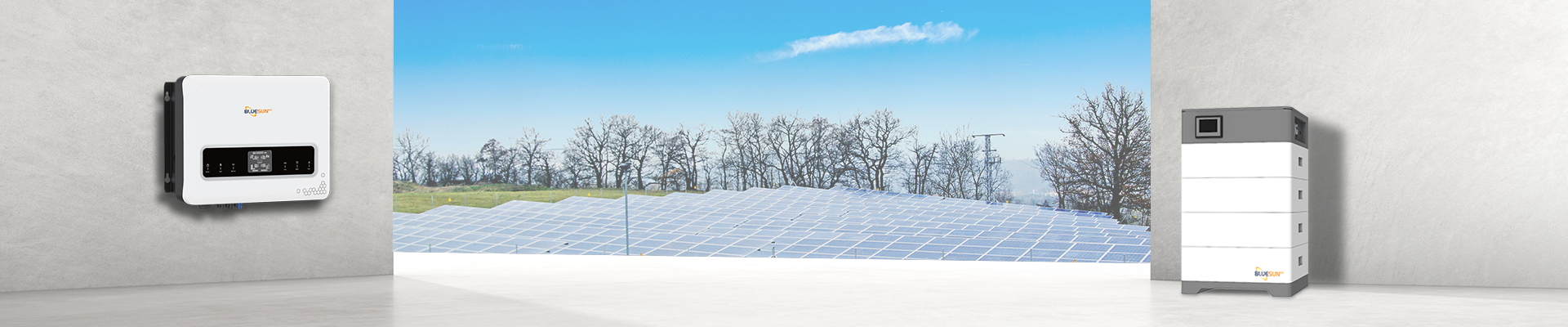
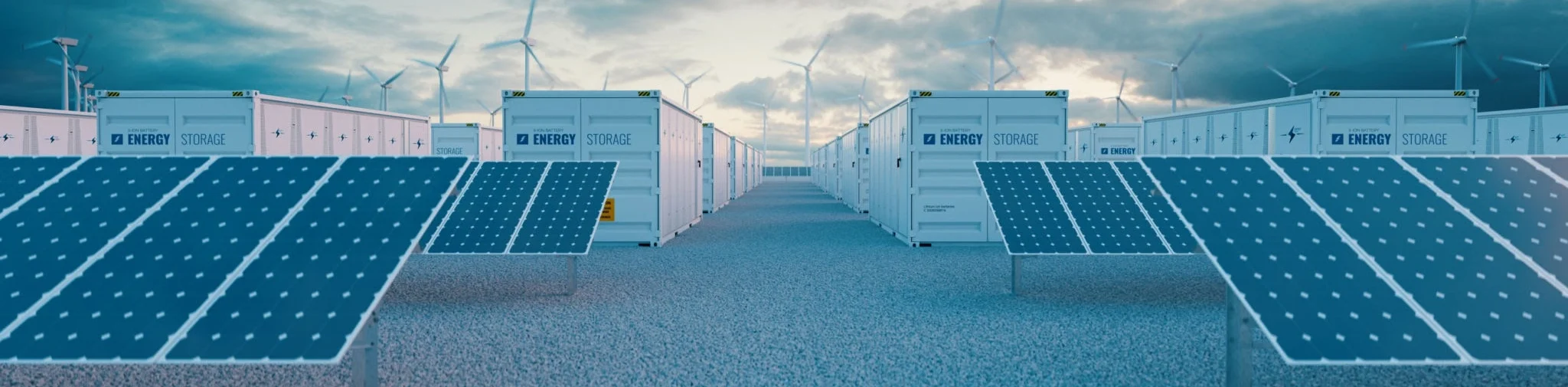
What Is the Best Lithium Battery for Solar?
The best lithium battery for solar energy storage is usually a Батерия LiFePO4, also known as a lithium iron phosphate battery. This battery chemistry is popular in solar applications because it provides excellent safety, long lifespan, stable performance, and reliable deep-cycle capability.
Compared with traditional lead-acid batteries, lithium batteries offer higher efficiency, longer service life, and better usable capacity. For a detailed technical comparison, you can read our guide on lithium batteries vs lead-acid batteries.
Key Answer
For solar energy storage, LiFePO4 lithium batteries are generally the best option because they are safer, last longer, charge faster, and provide more usable energy than many traditional battery types.
Why LiFePO4 Batteries Are Suitable for Solar Energy Storage
Solar energy systems charge and discharge batteries frequently. This means the battery must handle daily cycling, changing weather conditions, and long-term operation without losing performance too quickly.
LiFePO4 batteries are well suited for this because they have stable chemistry, high thermal safety, and strong cycle life. They are commonly used in residential solar storage, off-grid systems, telecom backup power, commercial energy storage, and hybrid solar applications.
| Feature | Why It Matters for Solar | Buyer Value |
|---|---|---|
| Long Cycle Life | Supports daily charging and discharging. | Lower long-term replacement cost. |
| High Safety | Stable LiFePO4 chemistry reduces safety risks. | Better for homes and commercial projects. |
| Висока ефективност | More stored solar power can be used. | Improves total system performance. |
| Deep Discharge Capability | Allows more usable battery capacity. | Better backup power and energy independence. |
Residential Solar Battery Storage
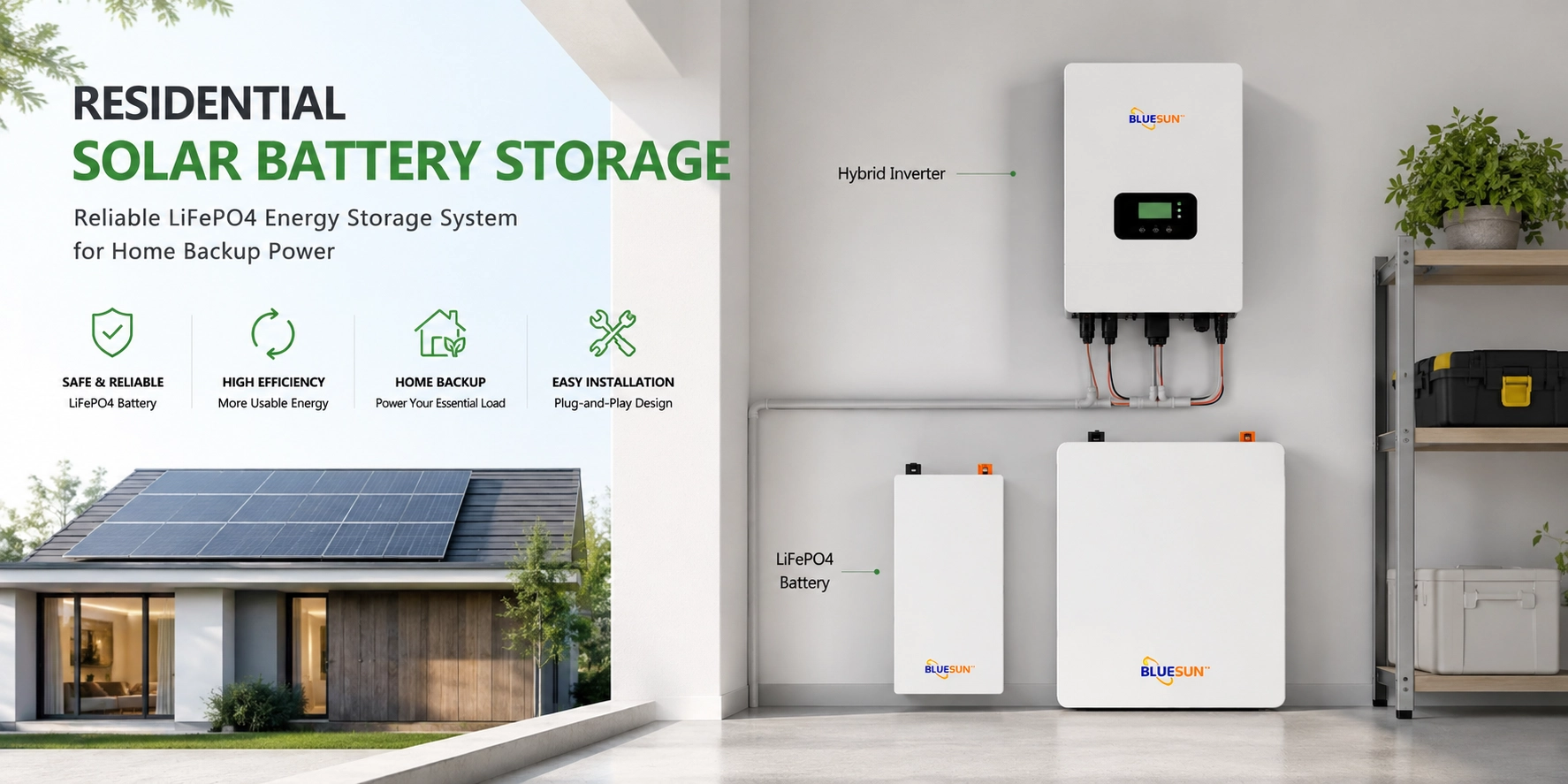
For home solar systems, the best lithium battery should be safe, compact, easy to install, and compatible with hybrid inverters. Homeowners usually care about backup power, nighttime electricity use, and reducing dependence on the grid.
A residential battery storage system can store excess solar power during the day and provide electricity at night or during power outages.
Residential lithium batteries are commonly used for:
- Home backup power
- Rooftop solar systems
- Hybrid solar systems
- Nighttime solar energy use
- Reducing grid dependence
Commercial and Industrial Solar Battery Systems
Commercial users often need larger storage capacity, stronger power output, and better energy management. For factories, hotels, warehouses, farms, and office buildings, battery storage can help improve power stability and reduce electricity cost pressure.
For larger energy storage projects, commercial BESS solutions are more suitable than small residential batteries because they can support higher capacity, scalable design, and more advanced energy management.
Commercial lithium battery systems are commonly used for:
- Peak shaving
- Backup power
- Solar self-consumption
- Microgrid projects
- Commercial solar-plus-storage systems
Off-Grid Solar Battery Applications
For off-grid solar systems, the battery is one of the most important components. Since the system may not have stable grid support, the battery must provide reliable power during nighttime, cloudy days, or periods of high electricity demand.
LiFePO4 batteries are a strong choice for off-grid solar because they can handle frequent cycling and provide stable output over a long service life. They are suitable for remote homes, farms, islands, telecom stations, and rural electrification projects.
For projects without reliable grid access, an off-grid solar power system can combine solar panels, lithium batteries, inverters, and mounting structures into a complete solution.
How to Choose the Right Lithium Battery for Solar
The best lithium battery depends on the actual project. A home backup system, a commercial building, and an off-grid project may all require different battery configurations.
Before choosing a solar lithium battery, buyers should consider:
- Daily electricity consumption
- Required backup time
- Battery capacity in kWh
- Inverter compatibility
- System voltage
- Installation space
- Expandable capacity
- Cycle life and warranty
- Battery Management System protection
Buying Tip
Do not choose a lithium battery only by price or capacity. The best solar battery should match your inverter, daily load, backup requirements, installation environment, and future expansion plan.
Why Battery Management System Matters
A Battery Management System, or BMS, is essential for lithium battery safety and performance. It monitors battery voltage, current, temperature, charging status, and protection conditions.
A good BMS helps protect the battery from overcharging, over-discharging, overheating, short circuits, and abnormal operating conditions. This is especially important for long-term solar energy storage systems.
Which Battery Capacity Do You Need?
Battery capacity should be selected based on real energy usage. A small home backup system may only need several kilowatt-hours of storage, while a commercial project may require much larger capacity.
For example, a home may need battery storage for essential loads such as lights, refrigerator, internet equipment, and fans. A commercial building may need storage for air conditioning, production equipment, lighting, security systems, or backup operation.
In most cases, battery sizing should be calculated together with solar panel capacity, inverter power, load profile, and backup time requirements.
Bluesun Solar Lithium Battery Solutions
Bluesun provides lithium battery storage solutions for residential, commercial, industrial, and off-grid solar applications. Different projects can be configured with suitable battery capacity, inverter type, solar panel power, and system design.
For buyers who need a complete solution, Bluesun can support solar panels, lithium batteries, inverters, mounting structures, and customized solar power systems for different project requirements.
Final Thoughts
For most solar energy storage applications, LiFePO4 lithium batteries are one of the best choices because they provide long lifespan, high safety, fast charging, deep-cycle capability, and reliable performance.
The best battery choice depends on your application. Residential users may need compact battery storage for home backup, commercial users may need scalable BESS solutions, and off-grid projects may require larger deep-cycle storage capacity.
By choosing the right lithium battery and matching it with a suitable inverter and solar system design, users can improve energy independence, reduce grid dependence, and increase the long-term value of their solar investment.
Explore Bluesun Solar Lithium Batteries
Bluesun provides residential battery storage, commercial BESS solutions, off-grid solar systems, and complete solar power system configurations for global projects.