
 ZH
ZH  EN
EN  ES
ES  FR
FR  DE
DE  RU
RU  AR
AR  RO
RO  BG
BG 
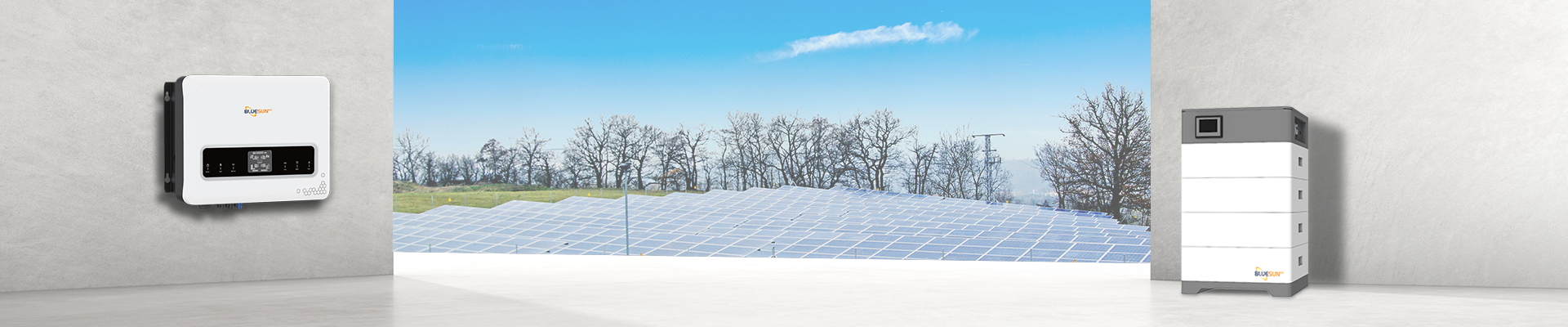
Bluesun has delivered a solar and battery energy storage project for a corn factory in Seville, Spain, combining 1.6MWp of photovoltaic capacity with a large liquid-cooled battery storage system.
The project uses 11 × 125kW solar inverters together with six 261kWh liquid-cooled battery cabinets, providing a total battery storage capacity of approximately 1.566MWh.
Project at a Glance
- 地點: Seville, Spain
- Application: Corn factory
- Solar Capacity: 1.6MWp
- Solar Inverters: 11 × 125kW
- Battery Storage: 6 × 261kWh
- Total Battery Capacity: Approx. 1.566MWh
- Storage Type: Liquid-cooled battery energy storage
Watch the Spain Corn Factory Solar and Storage Project
The project video shows the solar installation and energy storage system at the factory site, giving a direct view of how photovoltaic generation and battery storage are combined for industrial use.
1.6MWp Solar Power for Industrial Electricity Demand
Industrial facilities usually have significant daytime electricity demand, which makes solar power a practical way to reduce the amount of electricity drawn from the grid during production hours.
For this corn factory in Seville, the photovoltaic system provides 1.6MWp of installed solar capacity.
The system uses 11 solar inverters rated at 125kW each to convert the electricity generated by the solar panels for use within the facility.
1.566MWh of Liquid-Cooled Battery Storage
The project also includes six 261kWh liquid-cooled battery cabinets, providing approximately 1.566MWh of total storage capacity.
Battery storage gives the factory more flexibility in how solar electricity is used. Instead of relying only on real-time solar generation, part of the available energy can be stored and used later according to the operating strategy of the site.
Depending on the factory’s load profile and energy management strategy, the battery system can support applications such as:
- Increasing solar self-consumption
- Shifting energy from high-generation periods to later use
- Peak shaving
- Reducing grid electricity demand during selected periods
- Improving overall energy flexibility
Why Liquid Cooling Is Used in Larger Battery Systems
As battery capacity increases, thermal management becomes an important part of system operation.
Liquid cooling helps manage battery temperature more consistently across the system, which is especially useful in larger commercial and industrial energy storage applications.
The six 261kWh cabinets in this project use liquid-cooled technology to support stable battery operating conditions during charging and discharging.
Solar and Storage Working Together at the Factory
The main value of this project comes from combining solar generation with battery storage rather than treating the two systems separately.
During periods of strong sunlight, the solar system can supply part of the factory’s electricity demand. When there is excess energy available, the battery system can store electricity for use at another time.
This allows the site to make better use of the electricity generated by its own photovoltaic system and gives the factory more control over when energy is used.
A Practical Energy Solution for Industrial Sites
Factories have very different load profiles from residential solar users. Production equipment, operating hours and peak power demand all affect how the solar and storage system should be configured.
That is why industrial projects need to be designed around the real electricity consumption of the site rather than simply increasing solar or battery capacity.
For this corn factory in Seville, the combination of 1.6MWp solar generation and approximately 1.566MWh of battery storage creates a more complete energy solution for daily industrial operation.
Supporting More Solar-Plus-Storage Projects in Spain
This project adds another commercial solar and energy storage application to Bluesun’s project experience in Europe.
It also shows how photovoltaic generation, high-power inverters and liquid-cooled battery storage can be integrated for industrial customers with significant electricity demand.
For future commercial and industrial projects, solar capacity, inverter power and battery storage should always be selected according to the actual load profile, available installation area and energy management goals of the site.