
 RO
RO  EN
EN  ES
ES  FR
FR  DE
DE  RU
RU  ZH
ZH  AR
AR  BG
BG 
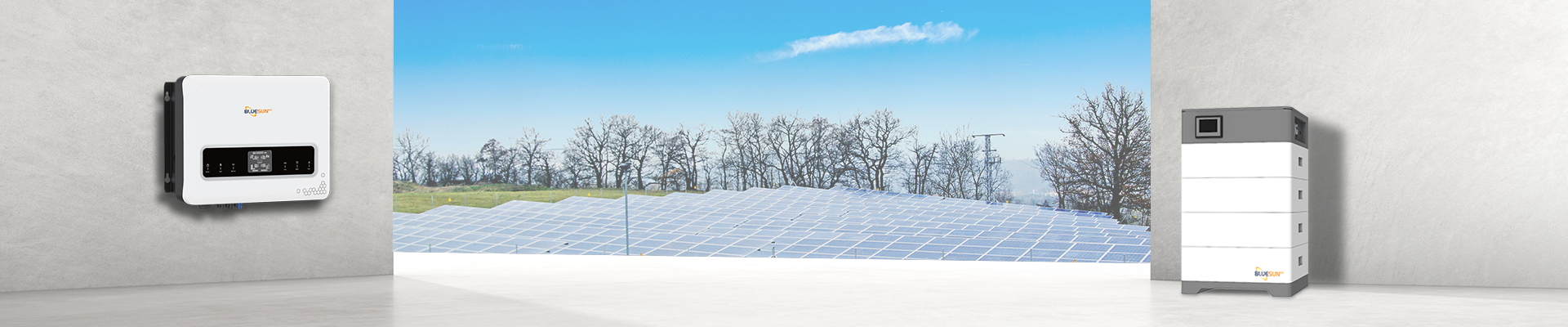
As solar energy storage systems become more common in residential and commercial projects, choosing the right battery technology has become increasingly important. Among the most widely used energy storage options, lead-acid batteries și lithium-ion batteries are frequently compared for Battery Energy Storage System (BESS) applications.
While lead-acid batteries have been used for decades, lithium-ion technology has become the preferred solution for many modern solar-plus-storage projects because of its higher efficiency, longer lifespan, and lower maintenance requirements.
Quick Answer
For most modern residential and commercial BESS applications, lithium-ion batteries are generally considered the better long-term solution because they provide higher efficiency, longer cycle life, and better overall system performance.
What Is a Battery Energy Storage System (BESS)?
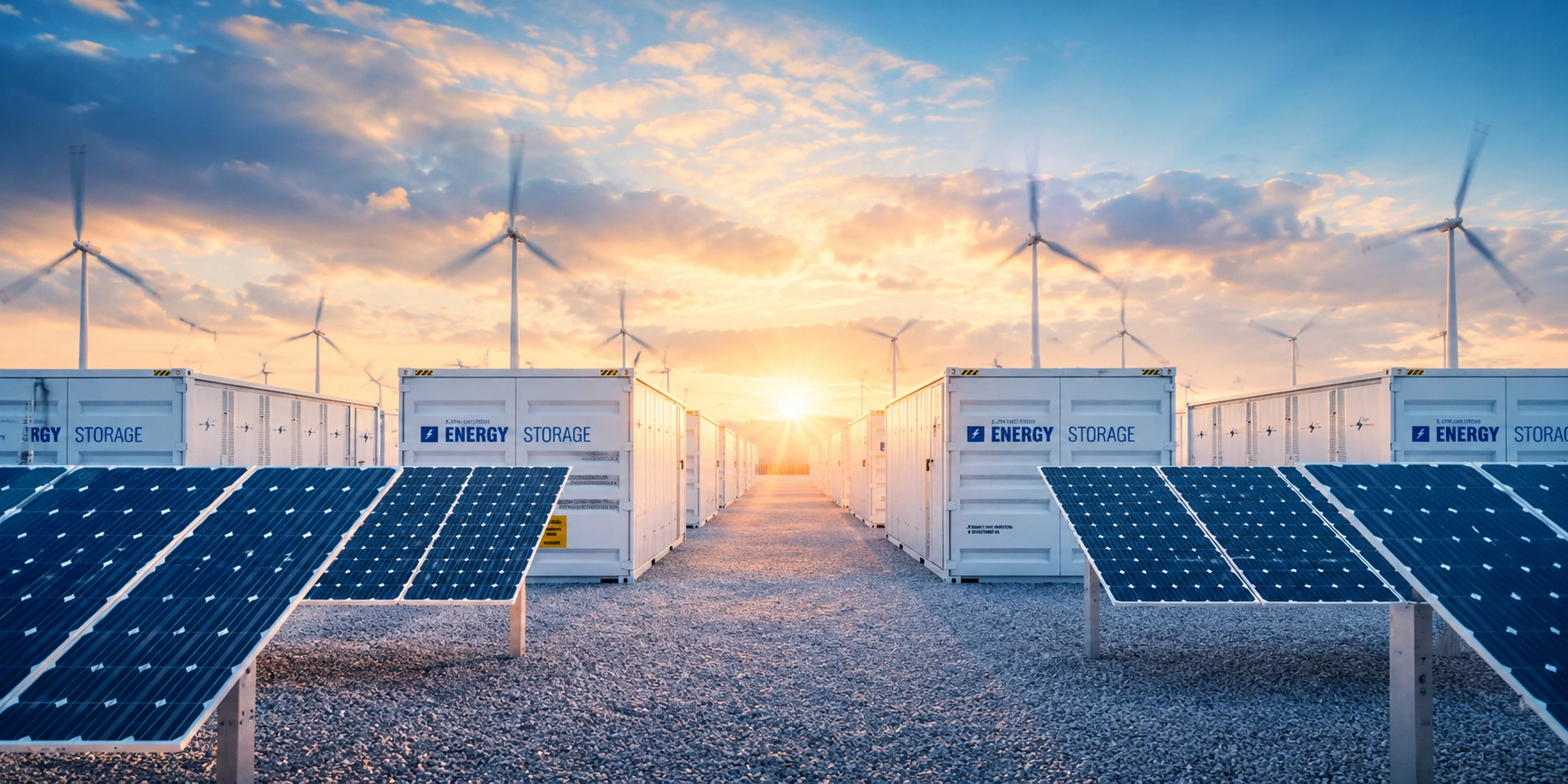
A Battery Energy Storage System (BESS) stores electricity generated by solar panels or the utility grid for later use. These systems are widely used in homes, factories, commercial buildings, farms, telecom stations, and off-grid energy projects.
BESS solutions help improve energy independence, reduce electricity costs, provide backup power, and optimize renewable energy usage.
Today, modern commercial BESS solutions și residential battery storage systems are increasingly adopting lithium-ion technology because of its stronger long-term performance and scalability.
Lead-Acid Batteries: The Traditional Storage Option
Lead-acid batteries have been used in energy storage applications for many years. Their lower upfront cost makes them attractive for small projects with limited budgets.
In some low-frequency backup applications or small off-grid systems, lead-acid batteries may still provide a practical solution. However, they also have several limitations when compared with modern lithium battery technology.
Advantages of Lead-Acid Batteries
- Lower initial investment cost
- Widely available worldwide
- Mature and proven technology
- Suitable for simple low-budget systems
Limitations of Lead-Acid Batteries
- Shorter lifespan
- Lower charging efficiency
- Heavier and larger size
- Higher maintenance requirements
- Limited usable battery capacity
Because of these disadvantages, lead-acid batteries are gradually becoming less common in modern residential and commercial BESS projects.
Lithium-Ion Batteries: The Modern BESS Solution
Lithium-ion batteries, especially LiFePO4 batteries, are now widely used in solar energy storage systems because they offer higher efficiency, better safety, faster charging, and longer cycle life.
Compared with traditional batteries, lithium-ion systems can store more usable energy in a smaller footprint while requiring significantly less maintenance.
If you want to learn more about choosing the right lithium battery for solar systems, you can also read our guide on what is the best lithium battery for solar energy storage.
Advantages of Lithium-Ion Batteries
- Longer cycle life
- Higher charging and discharging efficiency
- Compact and lightweight design
- Lower maintenance requirements
- Viteză de încărcare mai mare
- Higher usable battery capacity
Challenges of Lithium-Ion Batteries
- Higher upfront investment
- Requires Battery Management System (BMS)
Lead-Acid vs Lithium-Ion: Key Differences
When comparing battery technologies for solar energy storage, several technical factors directly affect long-term system performance, maintenance cost, and project reliability.
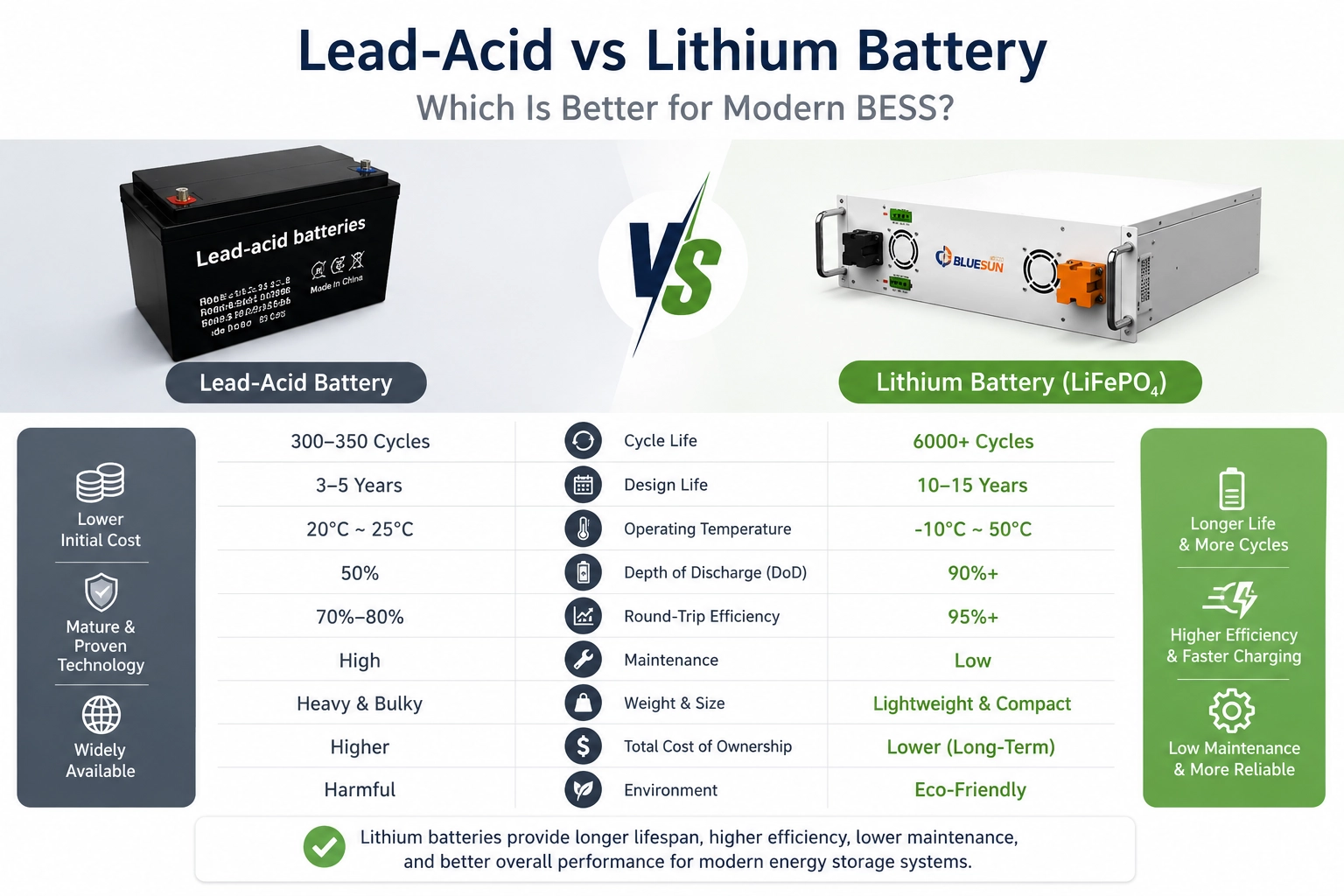
| Comparison Item | Lead-Acid Battery | Lithium-Ion Battery |
|---|---|---|
| Ciclul de viață | 300–1500 cycles | 6000+ cycles |
| Design Lifespan | 3–5 years | 10–15 years |
| Eficiență | 70-80% | 95%+ |
| Adâncimea de descărcare | Around 50% | 90%+ |
| Maintenance | Higher | Lower |
| Charging Speed | Slower | Faster |
| Greutate | Heavy | Lightweight |
Which Battery Is Better for Residential BESS?
For residential energy storage systems, lithium-ion batteries are generally the preferred solution because homeowners typically want reliable backup power, low maintenance, and long-term savings.
A modern hybrid solar system combined with lithium battery storage allows homeowners to store excess solar energy during the day and use it at night or during grid outages.
Lead-acid batteries may still be suitable for small cabins, temporary backup systems, or low-budget off-grid installations, but lithium-ion technology is becoming the standard for modern home energy storage.
Which Battery Is Better for Commercial BESS?
Commercial and industrial energy storage projects usually require larger capacity, frequent daily cycling, and advanced energy management. In these applications, lithium-ion batteries provide significant advantages over lead-acid systems.
Commercial BESS applications commonly include:
- Peak shaving
- Backup power
- Factory energy management
- Microgrid systems
- Solar self-consumption
- Grid support applications
For these high-cycle applications, lithium-ion batteries offer better long-term efficiency, lower maintenance costs, and stronger scalability.
Large-scale battery energy storage systems can integrate lithium batteries, PCS systems, monitoring platforms, and thermal management into complete commercial energy storage solutions.
Battery Lifespan and Long-Term Value
Although lithium-ion batteries usually have a higher upfront cost, they often provide lower total ownership cost over the long term because they last significantly longer and require less maintenance.
For systems with daily charging and discharging cycles, lithium-ion batteries can deliver much better long-term economic value compared with lead-acid batteries.
Lead-acid batteries may require multiple replacements during the same operating period, increasing maintenance costs and downtime.
Why Battery Efficiency Matters in Solar Energy Storage
Battery efficiency directly affects how much solar energy can actually be used after charging and discharging. Higher efficiency means lower energy loss and better overall system performance.
This is one of the main reasons why lithium-ion batteries are increasingly used in modern solar-plus-storage projects.
For applications with high cycling frequency, higher battery efficiency can significantly improve energy savings and project returns.
Bluesun Battery Energy Storage Solutions
Bluesun provides energy storage solutions for residential, commercial, industrial, and off-grid applications. Different battery configurations can be matched with solar panels, hybrid inverters, and complete solar power systems.
Bluesun lithium battery solutions are designed for high efficiency, long cycle life, scalability, and stable operation across different project scenarios.
Explore Bluesun Energy Storage Solutions
Discover residential battery storage systems, commercial BESS solutions, hybrid solar systems, and integrated solar energy storage configurations for global projects.
Choosing the Right Battery for BESS
Lead-acid batteries may still work for small low-budget backup systems, but lithium-ion batteries are increasingly becoming the preferred solution for modern residential and commercial BESS applications.
With longer lifespan, higher efficiency, lower maintenance, and better scalability, lithium-ion technology provides stronger long-term value for solar energy storage systems.
The best battery choice ultimately depends on project goals, budget, energy demand, and long-term operating requirements. For most modern solar-plus-storage projects, lithium-ion batteries offer a more efficient and future-ready solution.