
 FR
FR  EN
EN  ES
ES  DE
DE  RU
RU  ZH
ZH  AR
AR  RO
RO  BG
BG 
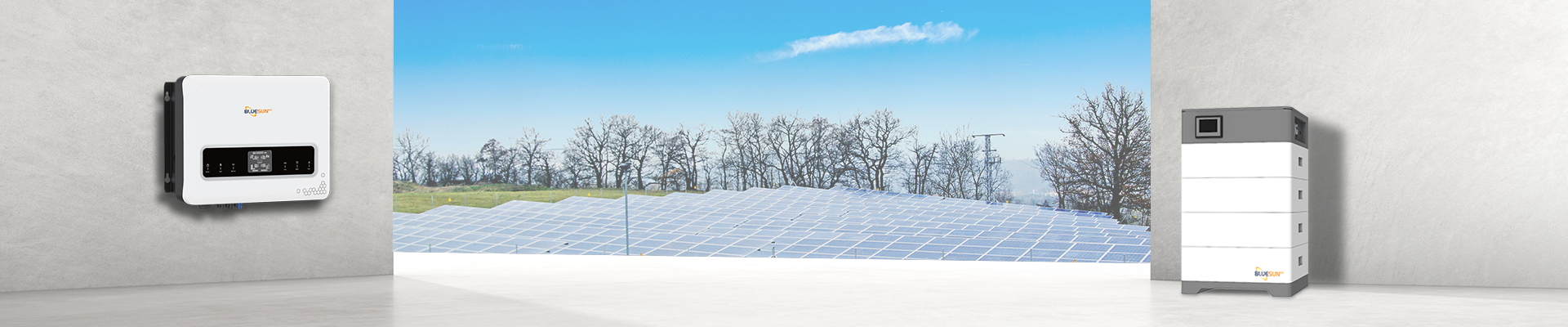
As electricity prices continue to rise and energy independence becomes more important, more homeowners are turning to solar power systems as a long-term energy solution. Modern residential solar systems not only help reduce electricity bills, but also provide cleaner energy and greater control over household power usage.
With improvements in photovoltaic technology, battery storage systems, and hybrid inverters, home solar energy systems are now more efficient, reliable, and accessible than ever before.
Why Homeowners Are Switching to Solar
Residential solar power systems help homeowners lower electricity costs, reduce dependence on the grid, improve backup power reliability, and increase long-term property value.
What Is a Residential Solar Power System?
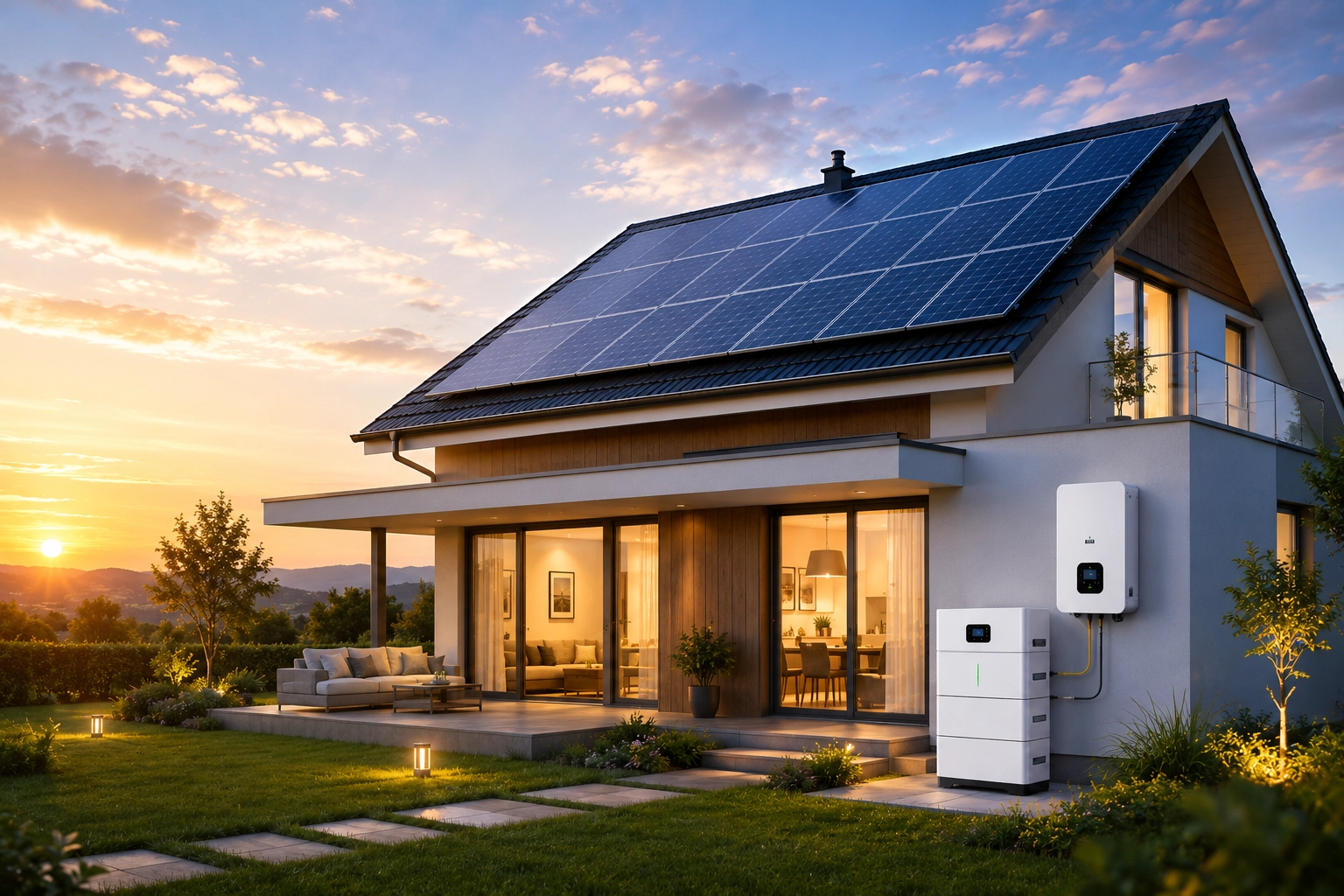
A residential solar power system converts sunlight into electricity for home use. These systems can help power household appliances, reduce grid electricity consumption, and provide backup energy during outages.
Modern home solar systems usually include several key components:
- Panneaux solaires
- Hybrid or grid-tie inverter
- Battery storage system
- Mounting structure
- Monitoring system
Different homeowners may choose different system configurations depending on local electricity prices, roof space, energy usage, and backup power requirements.
Reducing Electricity Bills with Solar Energy
One of the biggest reasons homeowners choose solar energy is long-term cost savings. By generating electricity from sunlight, households can significantly reduce the amount of power purchased from utility companies.
In many regions, electricity prices continue to increase every year. A properly designed home solar system can help homeowners reduce monthly energy costs and improve long-term financial stability.
For households with battery storage, excess solar energy generated during the day can be stored and used later at night, improving overall self-consumption.
Energy Independence and Backup Power
Power outages, grid instability, and extreme weather events have made backup power increasingly important for homeowners.
By combining solar panels with a residential battery storage system, homeowners can store excess energy and use it during nighttime or grid interruptions.
This helps improve energy independence while reducing reliance on utility providers. For homes in areas with unstable electricity supply, solar-plus-storage can provide a more reliable energy experience.
Why Battery Storage Is Becoming More Important
Battery storage has become one of the fastest-growing parts of the residential solar market. Homeowners increasingly want to maximize solar energy usage instead of sending excess electricity back to the grid.
Modern lithium battery systems provide several important advantages:
- Backup power during outages
- Higher energy self-consumption
- Reduced peak electricity costs
- Improved energy independence
- Better overall system efficiency
Compared with traditional battery technologies, lithium batteries offer longer lifespan, higher efficiency, and lower maintenance requirements.
Choosing the Right Solar Panels for Your Home
Solar panel performance directly affects energy production and long-term system efficiency. Homeowners should consider panel efficiency, durability, temperature performance, and warranty when selecting solar modules.
Higher-efficiency solar panels are especially beneficial for residential rooftops where installation area may be limited. A better module choice can help generate more electricity from the same roof space and improve long-term system value.
Hybrid Solar Systems for Modern Homes
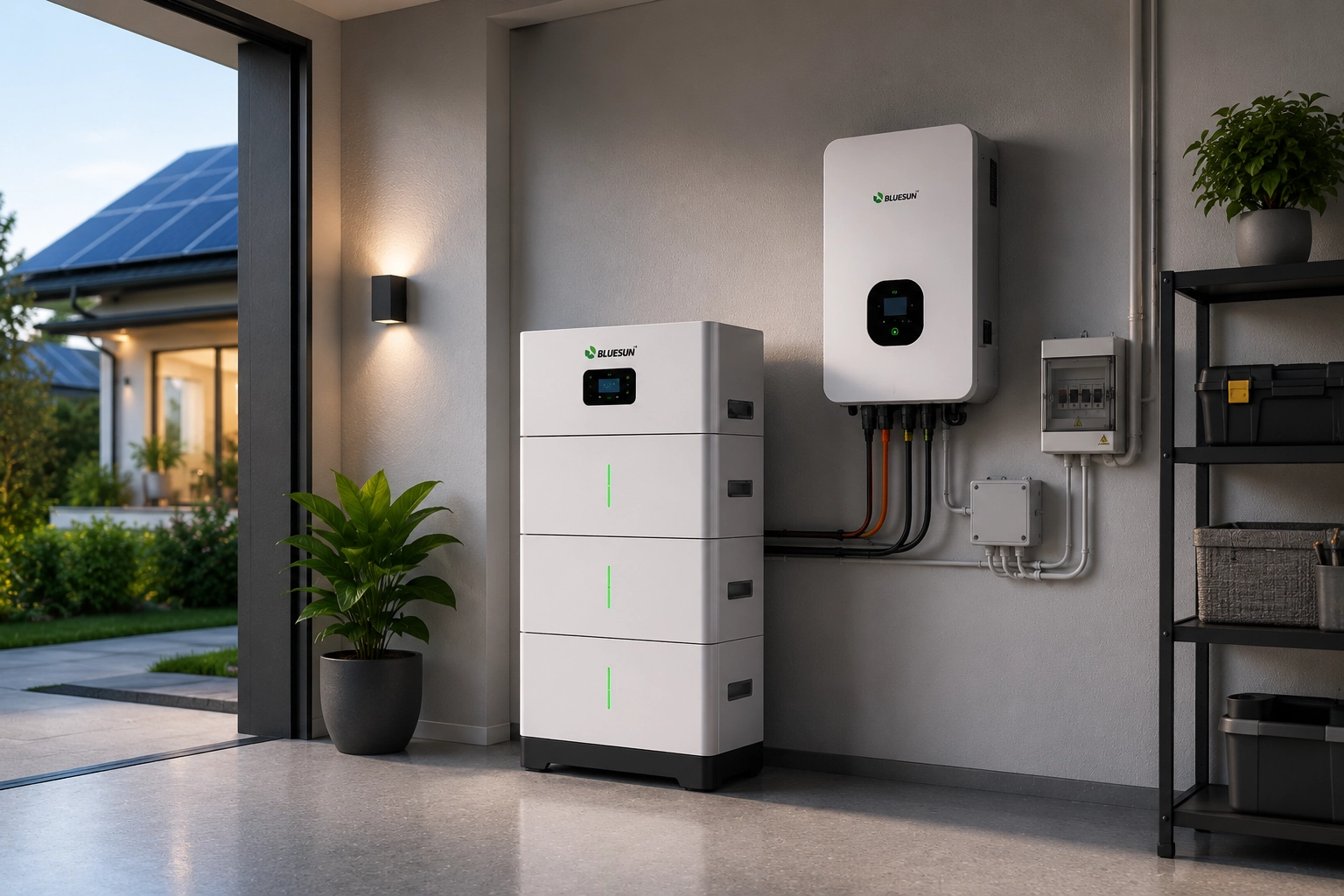
Hybrid solar systems combine solar panels, battery storage, and hybrid inverters into a single integrated energy solution.
Unlike traditional grid-tie systems, hybrid systems can continue supplying backup power during outages while optimizing energy usage between solar generation, battery storage, and the utility grid.
Modern hybrid inverter systems help homeowners manage solar generation, battery charging, and grid power more efficiently.
Increasing Property Value with Solar Energy
Homes equipped with solar power systems are often more attractive to buyers because they offer lower operating costs and long-term energy savings.
In many markets, residential solar installations can increase property value while improving the home’s environmental appeal.
As renewable energy adoption continues to grow globally, solar-equipped homes are increasingly viewed as future-ready properties.
Environmental Benefits of Residential Solar Power
Solar energy is a clean and renewable energy source that helps reduce greenhouse gas emissions and dependence on fossil fuels.
By generating electricity from sunlight, homeowners can reduce their carbon footprint and contribute to a more sustainable energy future.
Modern residential solar systems support cleaner energy production while helping households reduce long-term environmental impact.
Bluesun Residential Solar Solutions
Bluesun provides residential solar power solutions including high-efficiency solar panels, residential battery storage systems, hybrid inverters, and complete home solar system configurations.
Different system solutions can be customized based on household electricity demand, roof size, local grid conditions, and backup power requirements.
Explore Residential Solar Solutions
Discover solar panels, residential battery storage systems, hybrid inverters, and complete residential solar power solutions for modern homes.
Why Solar Power Is Becoming a Long-Term Investment
Residential solar energy systems are no longer viewed only as environmental upgrades. For many homeowners, solar has become a practical long-term investment that provides energy savings, backup power security, and improved property value.
As solar technology continues to improve and battery storage becomes more affordable, residential solar systems are expected to play an increasingly important role in modern home energy management.