
 DE
DE  EN
EN  ES
ES  FR
FR  RU
RU  ZH
ZH  AR
AR  RO
RO  BG
BG 
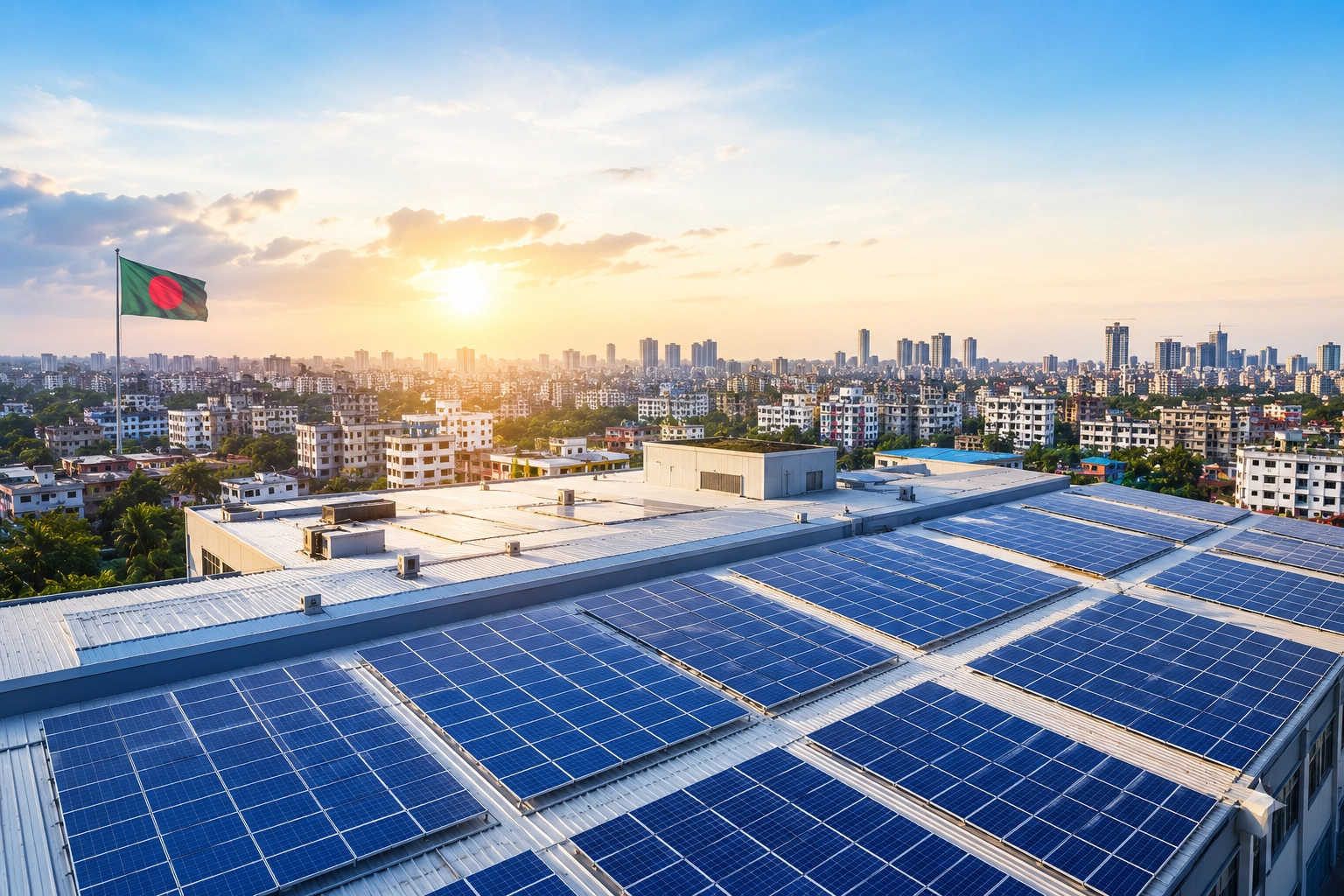
Bangladesh has long been recognized as one of South Asia’s fastest-growing economies. As industrial production, urban development, and electricity demand continue to increase, renewable energy is becoming an increasingly important part of the country’s long-term energy strategy.
Although solar power still represents a relatively small share of Bangladesh’s total electricity generation, market interest has grown steadily over the past few years. Government support, falling equipment costs, and rising electricity prices are encouraging more businesses to consider solar as a practical energy solution.
For manufacturers, EPC contractors, distributors, and project investors, Bangladesh is no longer simply an emerging market—it is becoming a market with long-term growth potential.
Why Bangladesh Deserves Attention
Strong industrial growth, increasing electricity demand, and supportive renewable energy policies are creating new opportunities for solar generation and battery energy storage throughout Bangladesh.
Why Bangladesh Is Emerging as One of South Asia’s Most Promising Solar Markets
Home to more than 170 million people, Bangladesh has experienced rapid economic growth over the past decade. Manufacturing, textiles, food processing, logistics, and other industries continue expanding, bringing higher demand for stable and affordable electricity.
Many factories operate long production hours and rely heavily on grid electricity. Rising energy costs and occasional power shortages have encouraged businesses to look for alternatives that improve energy security while reducing operating expenses.
Solar energy has become one of the most attractive options because it offers predictable operating costs and can be deployed on factory rooftops, commercial buildings, warehouses, and industrial parks without requiring additional land in many cases.
For companies planning long-term investments, solar is increasingly viewed as an economic decision as much as an environmental one.
Current Status of Bangladesh’s Solar Industry
Bangladesh’s renewable energy market continues to evolve through a combination of utility-scale projects and distributed generation.
Today, the market includes:
- Solarkraftwerke im industriellen Maßstab
- Commercial and industrial rooftop solar systems
- Residential rooftop installations
- Off-grid solar solutions in rural communities
- Solar systems supporting agricultural applications
Commercial rooftop solar has attracted particular attention in recent years. Large manufacturing facilities often have significant roof space that can be used to generate electricity during daytime production hours, helping reduce dependence on the grid.
As module efficiency continues to improve, more businesses are evaluating rooftop solar as part of their long-term energy planning.
Government Policies Continue to Support Renewable Energy Growth
Government policy has become one of the key drivers behind Bangladesh’s renewable energy expansion.
Recent measures focus on lowering investment barriers while encouraging greater participation from both local and international companies.
One of the most significant developments came with the government’s latest decision to remove import taxes on a wide range of solar and energy storage equipment.
This policy is expected to reduce equipment costs and improve project economics across residential, commercial, and utility-scale installations.
For a detailed explanation of the latest incentives, read our analysis of Bangladesh’s new renewable energy policy.
Long-term policy stability is equally important. Developers are more willing to invest when equipment costs remain predictable and government support is clearly defined.
Why Battery Energy Storage Will Become Increasingly Important
As more solar capacity is installed, battery energy storage is expected to play a much larger role in Bangladesh’s electricity system.
Solar panels generate the most electricity during daylight hours, while electricity demand often continues well into the evening. Energy storage helps bridge that gap by storing excess solar generation for later use.
For commercial users, battery systems can also provide backup power, improve self-consumption, reduce peak electricity demand, and support more stable energy management.
These advantages are becoming increasingly valuable for factories and industrial facilities where production interruptions can be costly.
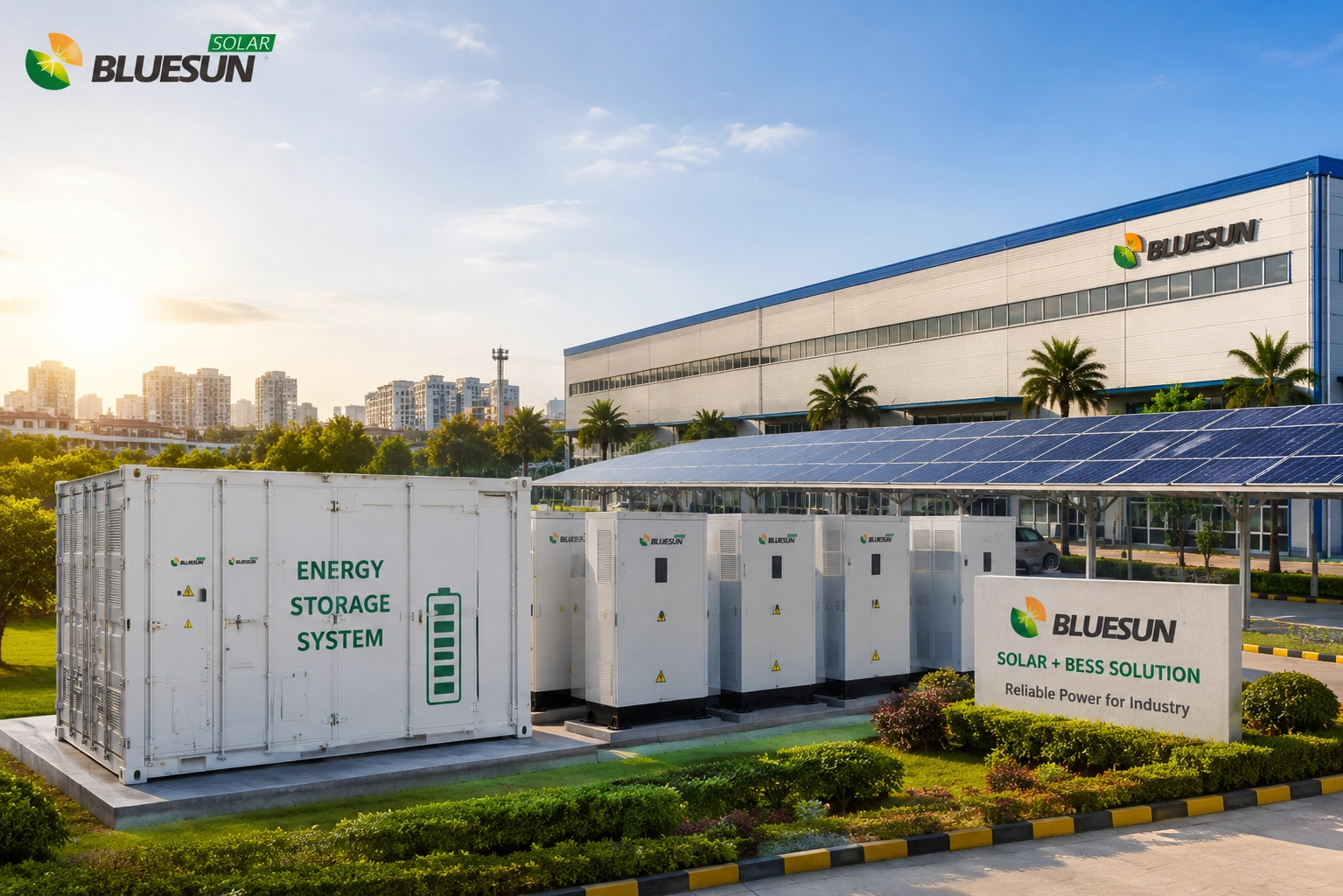
As interest in solar-plus-storage continues to grow, many businesses are also evaluating commercial battery energy storage systems (BESS) as part of their long-term energy strategy.
Opportunities for EPC Contractors and Solar Distributors
Bangladesh’s solar market is not only creating opportunities for project owners, but also for EPC contractors, equipment distributors, and renewable energy solution providers.
As more businesses begin evaluating solar investments, demand is growing for companies that can provide complete project services—from system design and equipment supply to installation and long-term maintenance.
Commercial and industrial customers are increasingly looking for partners that can deliver integrated solutions rather than individual products. Reliable engineering support, stable product quality, and after-sales service are becoming just as important as pricing.
For overseas suppliers, working with experienced local EPC companies and distributors remains one of the most effective ways to enter the Bangladesh market.
Why Chinese Manufacturers Remain Competitive
China continues to play a leading role in the global photovoltaic industry, supported by a mature supply chain and large-scale manufacturing capacity.
For Bangladesh, this provides access to high-quality products at competitive prices across a wide range of renewable energy applications.
Today’s Chinese manufacturers supply far more than solar modules. Complete product portfolios now include:
- N-type TOPCon solar modules
- Hybrid inverters
- Lithium battery systems
- Commercial battery energy storage systems
- Integrated solar and storage solutions
This allows EPC contractors and project developers to source compatible equipment from a single supplier, simplifying procurement and improving project coordination.
For businesses planning future renewable energy investments, choosing experienced manufacturers with international project experience can also help reduce technical and supply-chain risks.
Bangladesh Is Still at the Beginning of Its Solar Journey
Compared with several neighboring countries, Bangladesh still has significant room for solar expansion.
Electricity demand continues to rise, industrial production is growing, and businesses are paying closer attention to long-term energy costs.
At the same time, government support and lower equipment prices are improving the economics of renewable energy projects.
These factors suggest that Bangladesh’s solar market still has considerable development potential over the coming years.
For companies entering the market today, the focus is gradually shifting from simply installing solar panels to building complete energy solutions that combine generation, storage, and intelligent energy management.
Blick in die Zukunft
Bangladesh’s renewable energy sector is entering a new stage of development. Falling equipment costs, supportive government policies, and growing industrial demand are creating favorable conditions for long-term investment.
Battery energy storage is also expected to become an increasingly important part of future projects, helping businesses improve energy reliability while making better use of solar power.
As a global supplier of photovoltaic modules, hybrid inverters, lithium batteries, and commercial energy storage systems, Bluesun Solar works with distributors, EPC contractors, and project developers around the world to deliver reliable solar and storage solutions for residential, commercial, and utility-scale applications.
Frequently Asked Questions
Is Bangladesh a good market for solar energy?
Yes. Growing electricity demand, industrial expansion, and supportive renewable energy policies make Bangladesh one of South Asia’s promising solar markets.
Does Bangladesh support battery energy storage systems?
Yes. Recent policy updates covering batteries and energy storage equipment indicate growing support for solar-plus-storage projects and future grid development.
What types of solar projects are growing in Bangladesh?
Utility-scale solar plants, commercial rooftop systems, factory rooftop projects, and distributed solar installations are all expanding as demand for renewable energy increases.
Why are commercial businesses investing in solar?
Many businesses are looking to reduce electricity costs, improve energy security, and gain greater control over long-term operating expenses.
What role will BESS play in Bangladesh?
Battery energy storage systems can help improve solar self-consumption, provide backup power, reduce peak demand, and support more stable electricity management.
Why are Chinese solar manufacturers competitive?
Large-scale manufacturing, mature supply chains, continuous technology development, and competitive pricing have made Chinese suppliers important partners in renewable energy projects worldwide.
How can overseas companies enter the Bangladesh solar market?
Many international suppliers work with local EPC contractors, distributors, and project developers to provide equipment, technical support, and complete renewable energy solutions.
Where can I learn more about solar and energy storage products?
You can explore the full range of solar and energy storage products offered by Bluesun, including solar modules, hybrid inverters, lithium batteries, and commercial BESS solutions.